MGH McLean

Diversity

The MGH/McLean Adult Psychiatry Residency Training Program is committed to diversity, inclusion, and equity.

Mission

The mission of the residency program is to nurture a diverse physician workforce that will promote health and social equity in our local communities and beyond. We foster a diverse, inclusive environment in which everyone feels valued, engaged, and connected, so that we can all excel to our fullest capacity. We prioritize diversity in every aspect of our training program: leadership, mentorship and career development, clinical experiences, research opportunities, and didactic learning.

Program Leadership

Each member of our program director team is personally committed to prioritizing diversity, equity inclusion, and belonging in our educational curriculum and learning community.


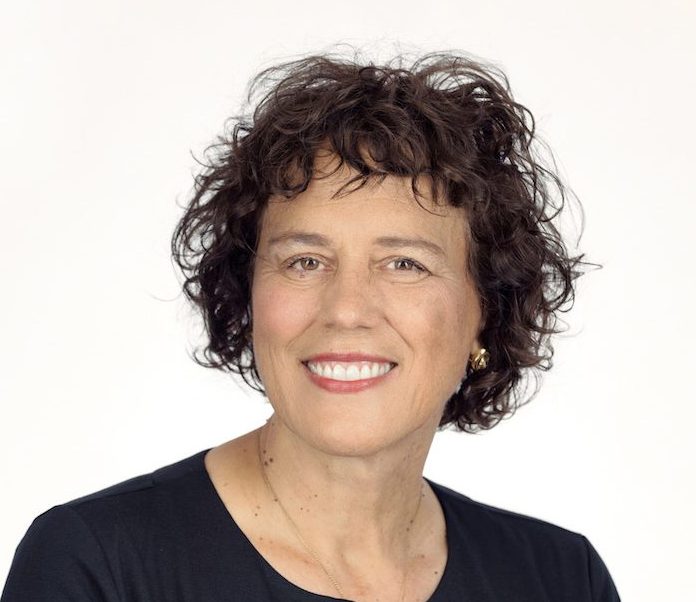
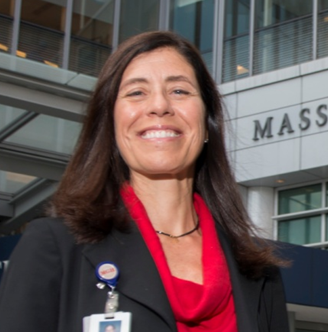
Isabel Lagomasino, MD, MSHS

Program Director, MGH/McLean Psychiatry Residency Program

As a Cuban-American from Miami, I was inspired to work with Latinx populations as a resident at MGH during by community psychiatry rotation in Chelsea. I am excited to help build the pipeline of diverse physician leaders and advocates who reflect the communities we serve.

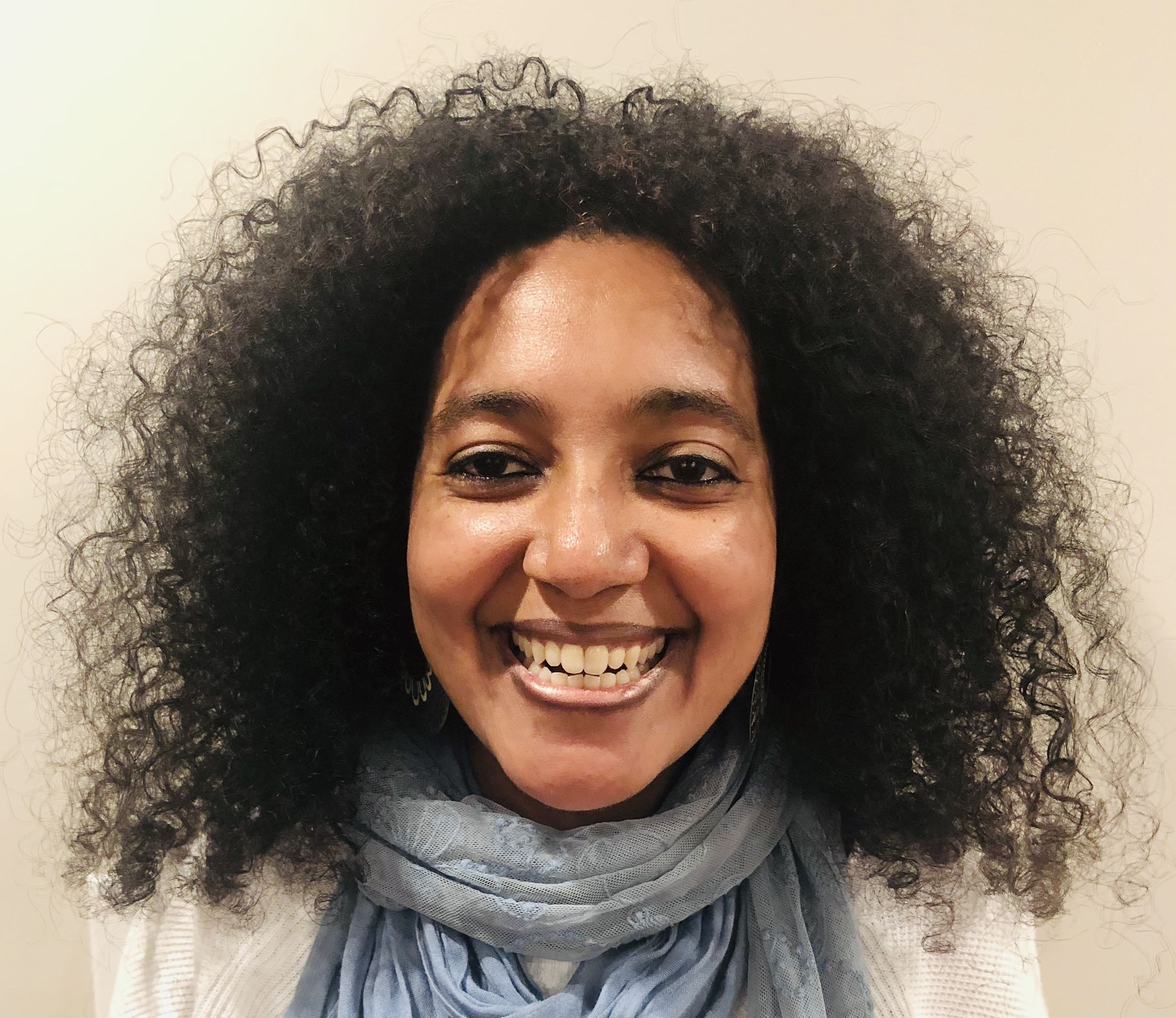
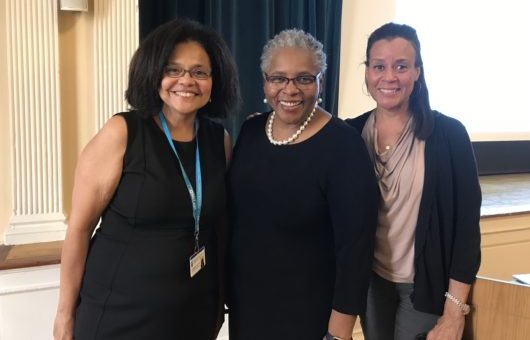
Rahel Bosson, MD

Associate Program Director, MGH/McLean Psychiatry Residency Program

As a Cuban-American from Miami, I was inspired to work with Latinx populations as a resident at MGH during by community psychiatry rotation in Chelsea. I am excited to help build the pipeline of diverse physician leaders and advocates who reflect the communities we serve.

Department and Hospital Leadership


Our residency program is integrated with a vast array of department, hospital, and medical school resources that are dedicated to promoting diversity, equity, inclusion, and belonging. Through close collaboration and resident participation in these centers of excellence, we ensure best practices and provide rich learning opportunities.

“As we aim to develop an understanding of all causes of psychiatric disorders, from biology to social determinants, and to make a meaningful difference to those who suffer from these conditions, both in our communities and worldwide, we cannot achieve these goals without being a diverse and inclusive family. It is therefore critical for our department that we expand the diversity of our training programs, of our faculty, and of the populations that we serve both locally and globally.” – Maurizio Fava, MD, Psychiatrist-in-Chief, MGH


MGH Department of Psychiatry Center for Racial Equity and Justice

“I want our department to be a place where BIPOC providers, researchers, and patients see themselves reflected.”
– Olivia Okereke, MD MS, Director

MGH Department of Psychiatry Center for Diversity, Equity, and Belonging

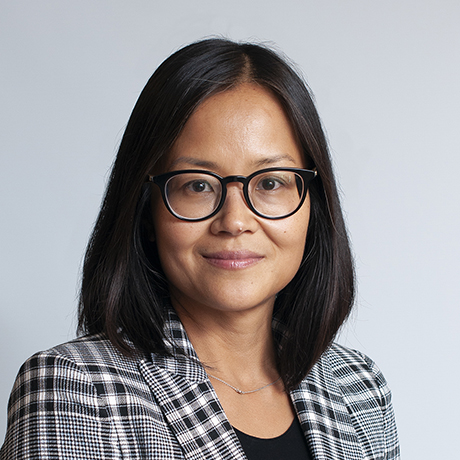
“Guided by the inherent dignity and integrity of every human being, our mission is to promote an inclusive mental healthcare community, enrich professional development, and deliver compassionate and culturally humble care.”
– Nhi-Ha Trinh, MD, MPH, Director

McLean Hospital Diversity, Equity, and Inclusion Office

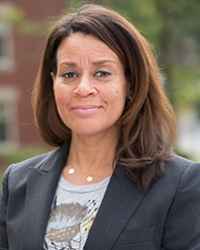
“I envision employees across all of our mission elements – clinical, research, and training, wherever they sit within our organization – see themselves within these efforts and have a growing understanding of what their contributions can be.”
– Stephanie Pinder-Amaker, PhD, Chief Officer

MGH Center for Diversity and Inclusion

“Diversity focuses on who we are and the unique differences each of us brings, while inclusion aims to create an environment where everyone is respected and valued. Now is the time for medicine to advance a genuine commitment to both.”
– Elena Olson, JD, Executive Director

Institutional Resources


MGB Office of Diversity, Equity, and Inclusion

At Mass General Brigham, diversity, equity, and inclusion are central to every aspect of our organization. When our workforce is more equitable and inclusive, we can be more innovative, creative, and on the cutting edge of advancement. Leveraging diverse perspectives allows us to develop better overall solutions to the problems we face.


Harvard Medical School Office for Diversity, Inclusion, and Community Partnership

Our mission is to is to advance diversity inclusion in health, biomedical, behavioral, and STEM fields that builds individual and institutional capacity to achieve excellence, foster innovation, and ensure equity in health locally, nationally, and globally.


Featured Diversity Initiatives


Bias at the Bedside Upstander Training

Led by the MGH Department of Psychiatry Center for Diversity, Equity, and Belonging
These roleplay-based workshops, developed by a prior MGH/McLean resident, help train faculty, staff, and residents how to recognize and respond to instances of explicit or implicit bias in real time.

Resident and Fellow Committee

Led by the MGH Center for Diversity and Inclusion
This inter-departmental forum for underrepresented in medicine trainees at MGH assists with residency recruitment, offers opportunities to socialize and network with peers, and enhances career development with engagement in the broader Harvard and Boston communities.

United Against Racism

Led by the MGB Office of Diversity, Equity, and Inclusion
This multifaceted, far-reaching initiative focuses on dismantling racism by increasing diversity across institutional leadership and provider workforce; addressing structural racism that results in racial inequities in patient care; taking responsibility for community outcomes; and engaging in community advocacy.

Better Together

Led by the Harvard Medical School Office for Diversity, Inclusion, and Community Partnership
Better Together is a multi-pronged initiative that aims to make Harvard Medical School the institution of preference for underrepresented, historically marginalized individuals such as women and those unrepresented in medicine, who identify as LGBTQ+, and who have disabilities. It seeks to become a leader in diversity and inclusion, especially at levels of leadership; to build community and belonging via the physical environment and programming; and to be held accountable through tracking and reporting of diversity outcomes.

Mentorship and Career Development

Recusandae sit harum voluptatibus! Excepturi ex, adipisci dolores fugit, nihil, molestiae fugiat necessitatibus alias libero illum expedita. Culpa eos quisquam officia aut voluptatum soluta saepe, quod, unde laudantium? Accusamus reprehenderit harum voluptatibus!

Clinical, Research, and Advocacy Opportunities

Lorem ipsum dolor sit amet consectetur adipisicing elit. Modi doloremque at aspernatur iure sapiente molestiae ipsam numquam corrupti ut culpa eos quisquam officia aut voluptatum soluta saepe, quod, unde laudantium? Maspernatur quod, unde aliquid totam in deleniti vel voluptates provident libero optio ratione.

Recusandae sit harum voluptatibus! Excepturi ex, adipisci dolores fugit, nihil, molestiae fugiat necessitatibus alias libero illum expedita. Culpa eos quisquam officia aut voluptatum soluta saepe, quod, unde laudantium? Accusamus reprehenderit harum voluptatibus!

Didactic Learning

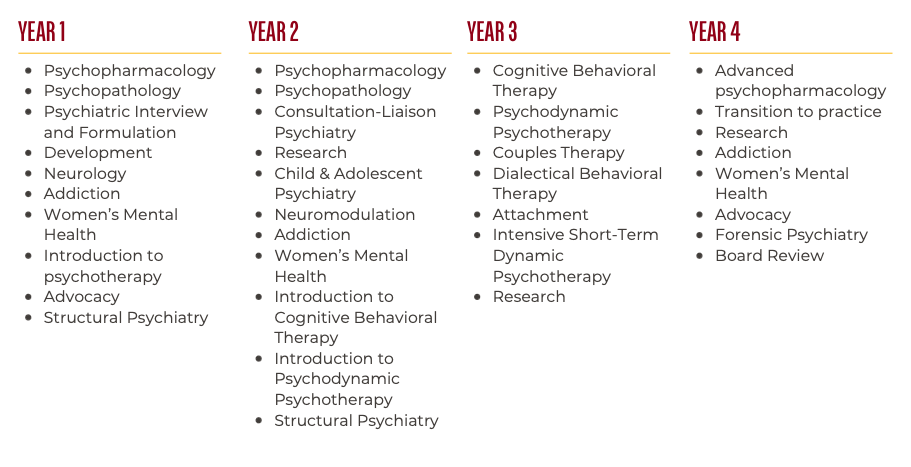
Each year, residents will examine and interact with issues at the intersection of society, culture, and identity. These didactics build on one another conceptually, so that residents can experience the intricacies of these issues while feeling empowered to collaborate in making a more just and equitable community.

Across their four years of training, residents will participate in didactics that explore the following topics:

Culture

Sessions in this category establish and reinforce the importance of the multifaceted narratives and interwoven histories that influence illness and wellness while striving to achieve the best possible healthcare outcomes. Residents will discuss concepts including culture as a multidimensional construct, culture and bias within the hospital, individual and cultural identities, global psychiatric epidemiology, spirituality, DSM cultural formulation, and many other topics. Residents are given the opportunity to address bias at the bedside in the hospital through interactive demonstrations and didactics and are also invited to participate in case-based cultural learning.

Society

In these sessions, residents will be exposed to topics that address the interplay between communities in the creation of a larger society. Presentations on social determinants of psychiatric illness, ethics, structural competency, community prevention, the history of mistakes and paradigm shifts in psychiatry, US mental healthcare, justice, minority stress and intersectionality, trauma in marginalized populations, community mental health models, and advocacy, among others, are covered.

Identity

Residents explore how issues surrounding identity affect the therapeutic relationship and the administration of healthcare in lectures from this series. They will build on understanding and confronting privilege, recovery and risk, overidentification in the psychiatric encounter, lived experience, and topics of sexual and gender identity.


The sociocultural content team that develops and modifies these didactics is comprised of both faculty and residents, thereby enabling rapid identification and implementation of changes and updates in response to evolving resident and community interests and needs. Residents are appreciative of both the concrete topic content presented through lectures as well as the opportunity to engage in exploratory conversations during these seminars.

Further, residents will have access to the Grand Rounds series at Mass General Brigham hospitals. Recent sociocultural topics have included addressing mental health disparities, facilitating inclusive multicultural therapy groups, gender differences in substance use treatment, achieving population health through a Learning Health Community, and many others.

 

Skip to content